The Body Language Shifts That Make You Look (and Feel) More Confident at the Gym
Quick Answer: Upright posture, deliberate (not rushed) movement between equipment, and making brief eye contact rather than avoiding it are the three body language shifts most associated with appearing — and over time, feeling — more confident at the gym. These are learnable habits, not fixed personality traits.
You feel like everyone can tell you’re new or unsure, and that feeling shapes how you move through the gym — shoulders curled in, rushing between machines, eyes down. The body language piece is worth addressing directly, because changing it tends to shift the internal feeling too, not just the appearance.
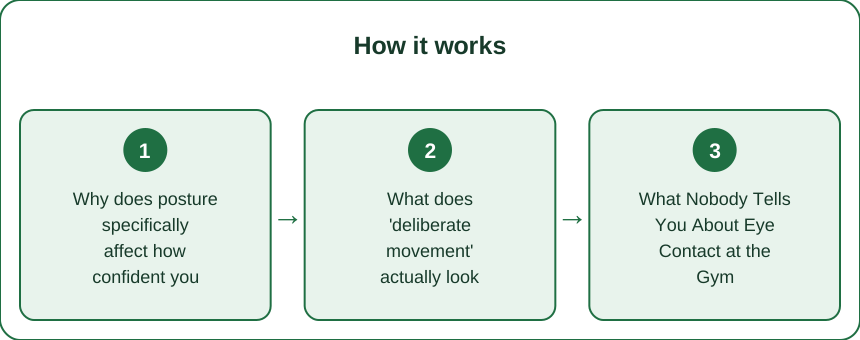
Why does posture specifically affect how confident you feel, not just look?
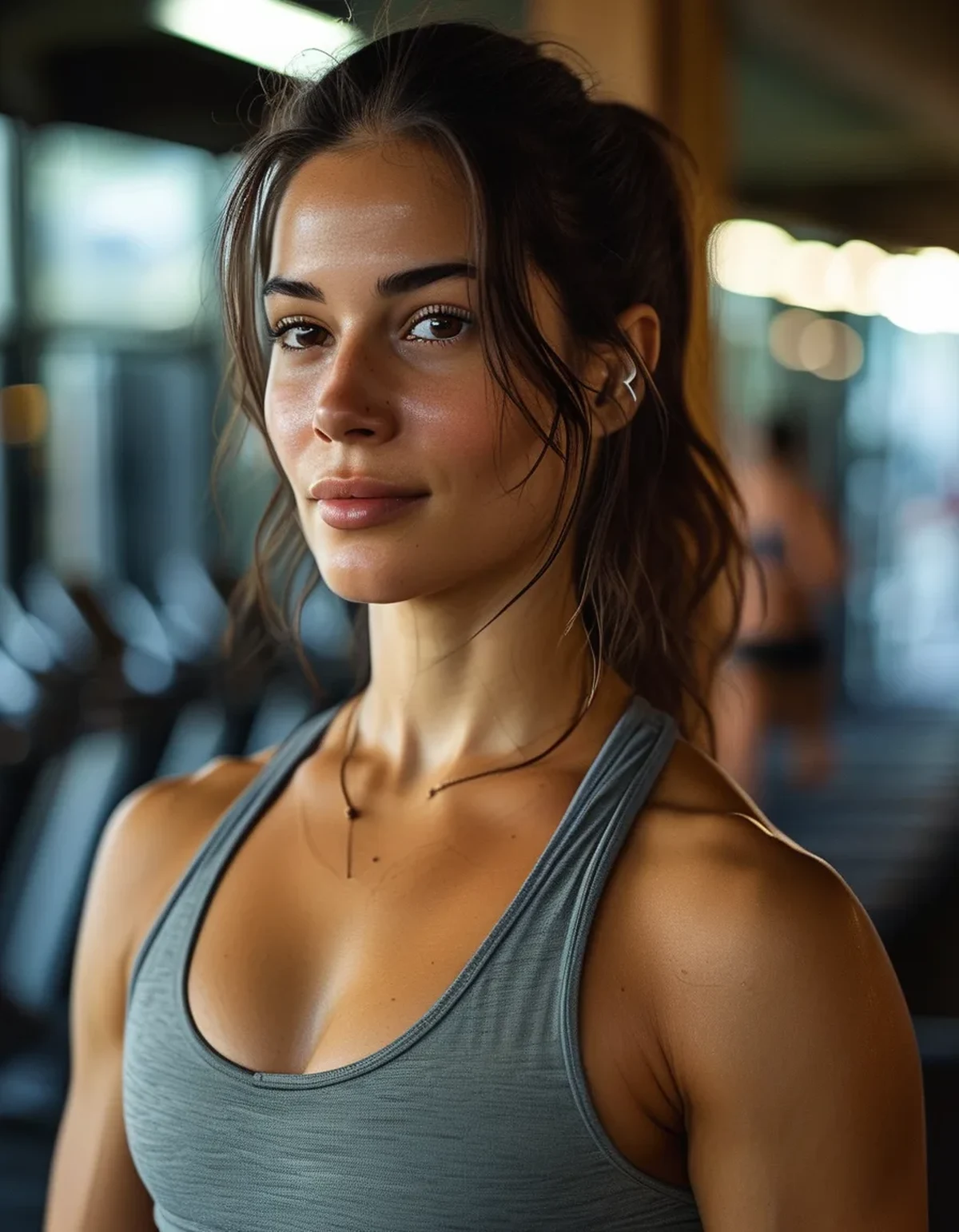
Research on embodied cognition suggests posture doesn’t just express internal state — it can influence it. Standing upright with shoulders back has been associated with measurable shifts in reported confidence and even hormone markers in some studies, compared to a slouched, closed posture.
This means posture correction at the gym isn’t purely cosmetic — deliberately standing taller between sets can genuinely shift how anxious or confident you feel during a workout, not just how you appear to others.
What does ‘deliberate movement’ actually look like in practice?
Walking directly and unhurriedly between equipment, rather than a rushed, head-down scurry, signals — to yourself as much as anyone watching — that you belong in the space and know where you’re headed. This doesn’t require actually knowing every machine; it’s about the pace and directness of movement, not certainty about the plan.
Practically: decide your next station before standing up from the current one, so your walk has visible direction rather than the hesitant wandering that reads as uncertain.
What Nobody Tells You About Eye Contact at the Gym
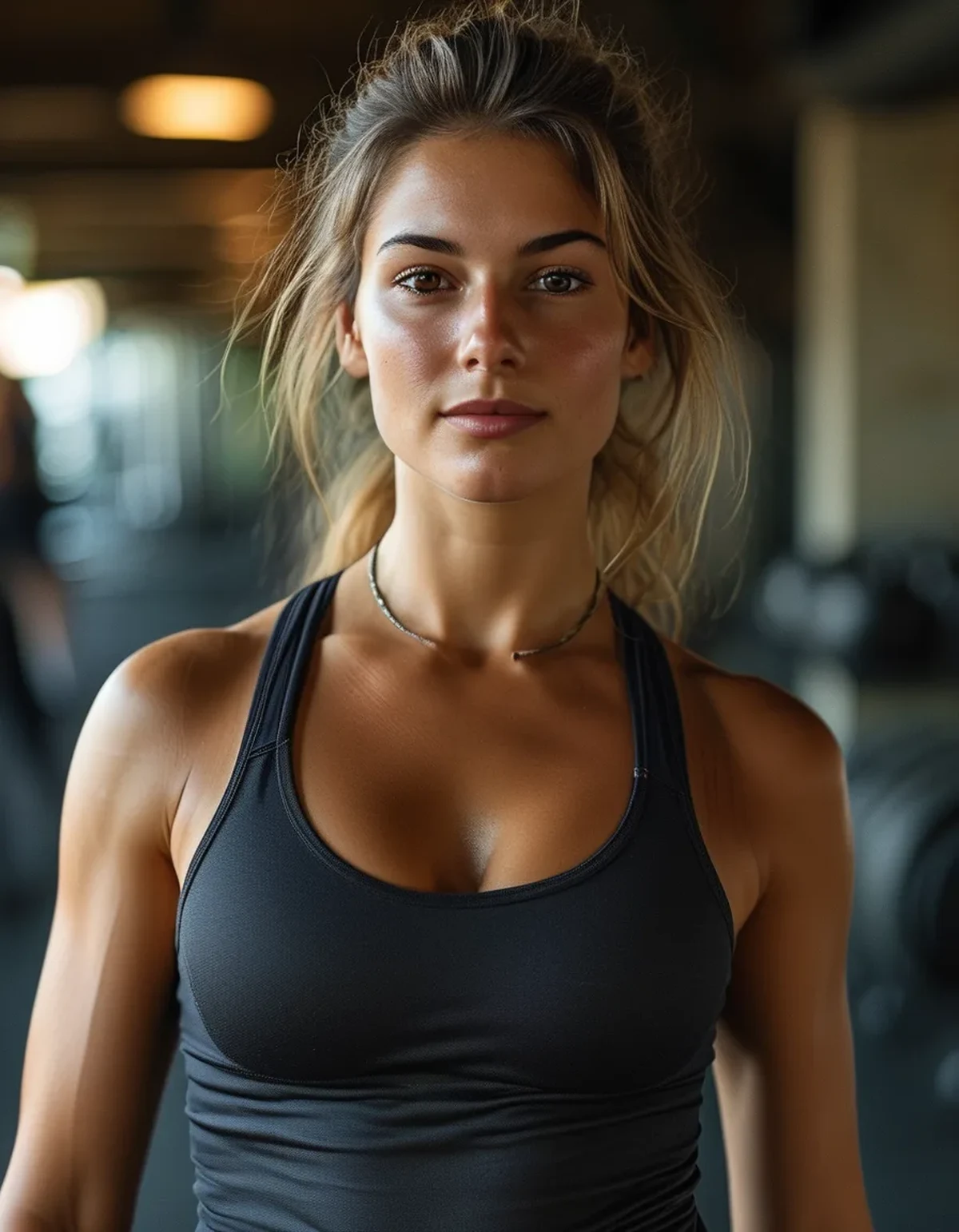
Consistently avoiding all eye contact often reads as more self-conscious than brief, neutral eye contact with a small nod when passing someone — the avoidance itself draws more attention than a relaxed, brief acknowledgment would. Most experienced gym-goers are focused on their own workout, not scrutinizing yours, and brief eye contact usually confirms this rather than inviting judgment.
This is genuinely one of the more counterintuitive fixes — the instinct to disappear by avoiding all interaction often has the opposite effect on your own anxiety level compared to normal, brief social acknowledgment.
5 Mistakes That Undercut Confident Body Language
1. Checking your phone constantly between sets. This reads as avoidance and also breaks the deliberate-movement signal.
2. Hovering near equipment instead of asking to work in. A brief, direct request reads more confident than uncertain lingering.
3. Apologizing excessively for minor space overlaps. A brief “sorry” is fine; repeated over-apologizing signals more uncertainty than the situation warrants.
4. Rushing through unfamiliar equipment to avoid being seen figuring it out. Taking a normal, unhurried moment to read machine instructions is completely standard gym behavior, not something to rush through nervously.
5. Keeping arms crossed or bag clutched while resting. An open, relaxed stance between sets reinforces the same confidence signal as upright posture.
FAQ: Gym Body Language Confidence Questions, Answered
Does body language actually change how others perceive you at the gym?
Yes, to a meaningful degree — upright posture and deliberate movement are generally read as more confident and experienced by others, regardless of actual fitness level.
How long does it take for changed body language to start feeling more natural?
Many people report it feeling less forced within 2-3 weeks of consistent practice, as the postural and movement habits become less effortful to maintain.
Is it okay if confident body language still feels fake at first?
Completely normal — the “act first, feel follows” pattern is well-supported, and most people report the internal feeling catching up to the practiced behavior over a few weeks, not instantly.
TL;DR:
- Upright posture can genuinely shift internal confidence, not just external appearance
- Deliberate, direct movement between equipment reads as more confident than a rushed, head-down pace
- Brief eye contact tends to reduce self-consciousness more than avoiding it entirely
- Confident body language often feels forced for a few weeks before it starts feeling natural
See It in Motion
Seen here: Round Neck Long Sleeve Athletic T-Shirt — shop it on bubblelime.com
Keep Reading
This article is for general informational and styling purposes only. Fit, sizing, and product availability may vary.